JJ.E. MoreyEdD · Cohort of 2029

About

J.E. Morey

I work in education by day and I am an EdD student at the same time — a parallel quest to find out more about myself, to deepen my understanding of my own students, to grow in my craft, and to grow as a professional. This journal is where my thinking stays unfinished on purpose — the courses, the field notes, the moments where I changed my mind, and the ideas that keep sticking with me and pulling me toward new questions and new queries.

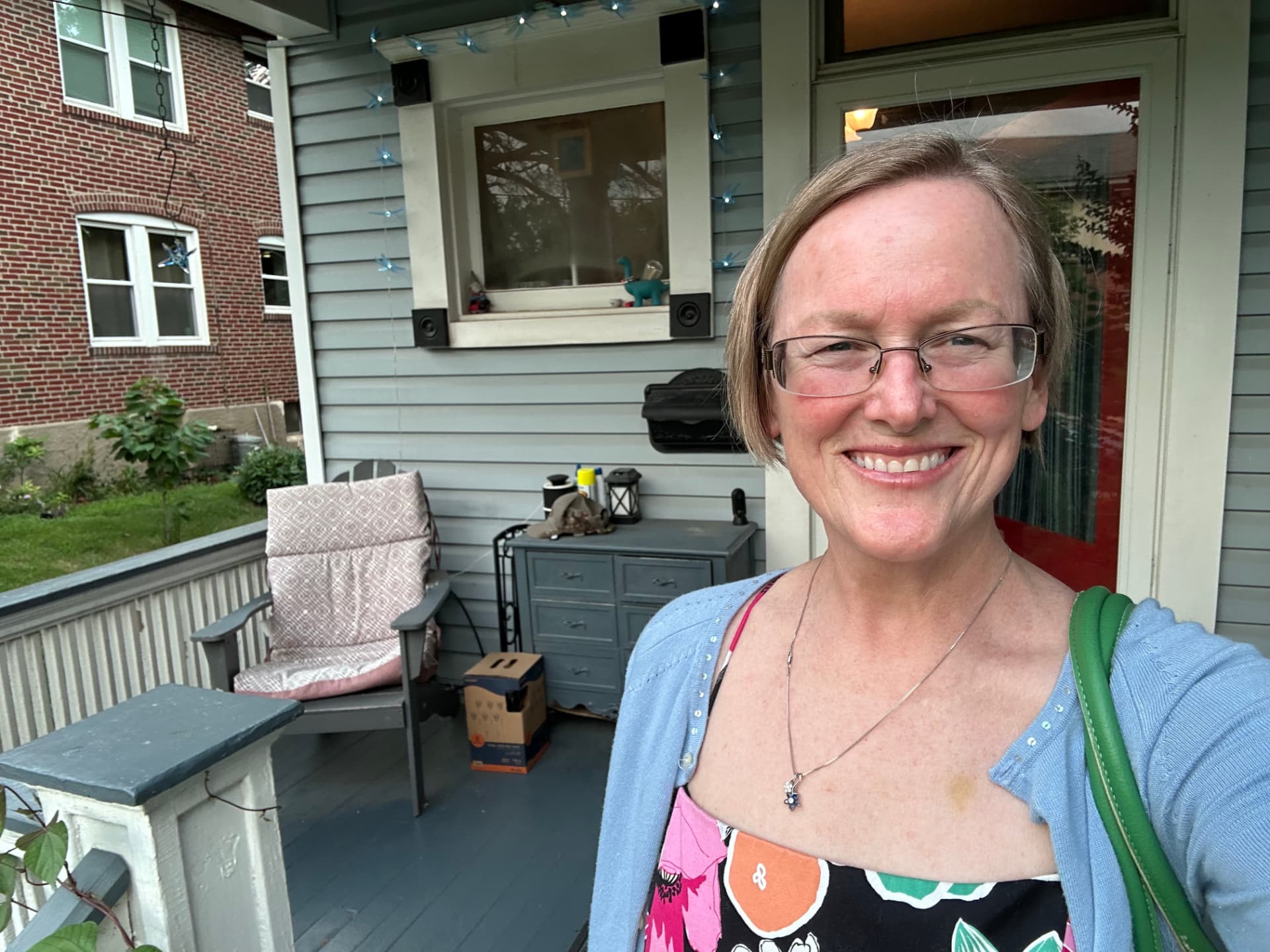
Portrait of J.E. Morey
On the porch — a teacher, doctoral student, and keeper of an intentionally unfinished record.

Why an EdD

I came to doctoral study from the classroom, not from a desire to leave it. After years inside schools I had a shelf of instincts I could not explain and could not defend — and the ones I could not defend were the ones I most wanted to test.

The EdD is where I take those instincts apart. Coursework gives me language, fieldwork gives me friction, and this journal is where the two argue with each other in public.

I write here as a teacher first. That means the entries are uneven on purpose: some are careful, some are a single hallway observation I do not yet understand. Both are part of the record.

Right now

Updated · after EDOC 7120, Week 6

Neurodiversity did not begin as a diagnosis; it began as a claim about who gets to count as normal. Building the Week 6 presentation moved my question from "how do we support neurodivergent students" to "whose norms are we asking them to survive?" Belonging still looks to me like infrastructure — but now I can see that the infrastructure was designed around one nervous system and then called neutral.

How to read this site

The other life

I am a high school teacher, and I am also a singer-songwriter. My husband of thirty years and I write and play together. That work is not a hobby I keep away from the research — it is where the listening comes from, and it taught me that a room tells you the truth about itself if you stay quiet long enough.

I go to Cahokia Mounds when I need to be reminded of scale. A city stood there, larger than London at the time, built by people whose names are not in the curriculum I was handed. Standing on Monks Mound is a lesson in whose history gets called history — and it keeps turning up in my thinking about what counts as rigor and whose knowledge we treat as foundational.

more, behind a quiet door· · ·

A record of how a teacher's thinking changes — kept in public.