Idea connections
What keeps coming back
The same handful of ideas keep surfacing across different courses, readings, and field notes. Follow one and the site reorganizes itself around it.
Belonging
79 linksWho feels like the room was built for them, and who is only visiting.
Blueprint of belonging
7 linksMy working coinage: a buildable plan for how a predominantly white school welcomes, supports, scaffolds, and keeps the students it has historically placed outside the bubble of normalcy.
Leadership
10 linksWhat leading looks like between the meetings rather than inside them.
Equity
58 linksWhich students the ordinary machinery of a school quietly serves.
Educational equity
18 linksFair is not the same as equal: what each student actually needs, where that idea came from, and who has to count it.
School culture
65 linksThe unwritten agreements that outlast any initiative.
Ritual
9 linksSmall repeated structures doing enormous invisible work.
Method
61 linksHow to study something that refuses to sit still for a survey.
Fieldwork
12 linksWhat I only learn by standing in the building.
Neurodiversity
44 linksNeurological variation as part of human biodiversity — not a defect to be fixed.
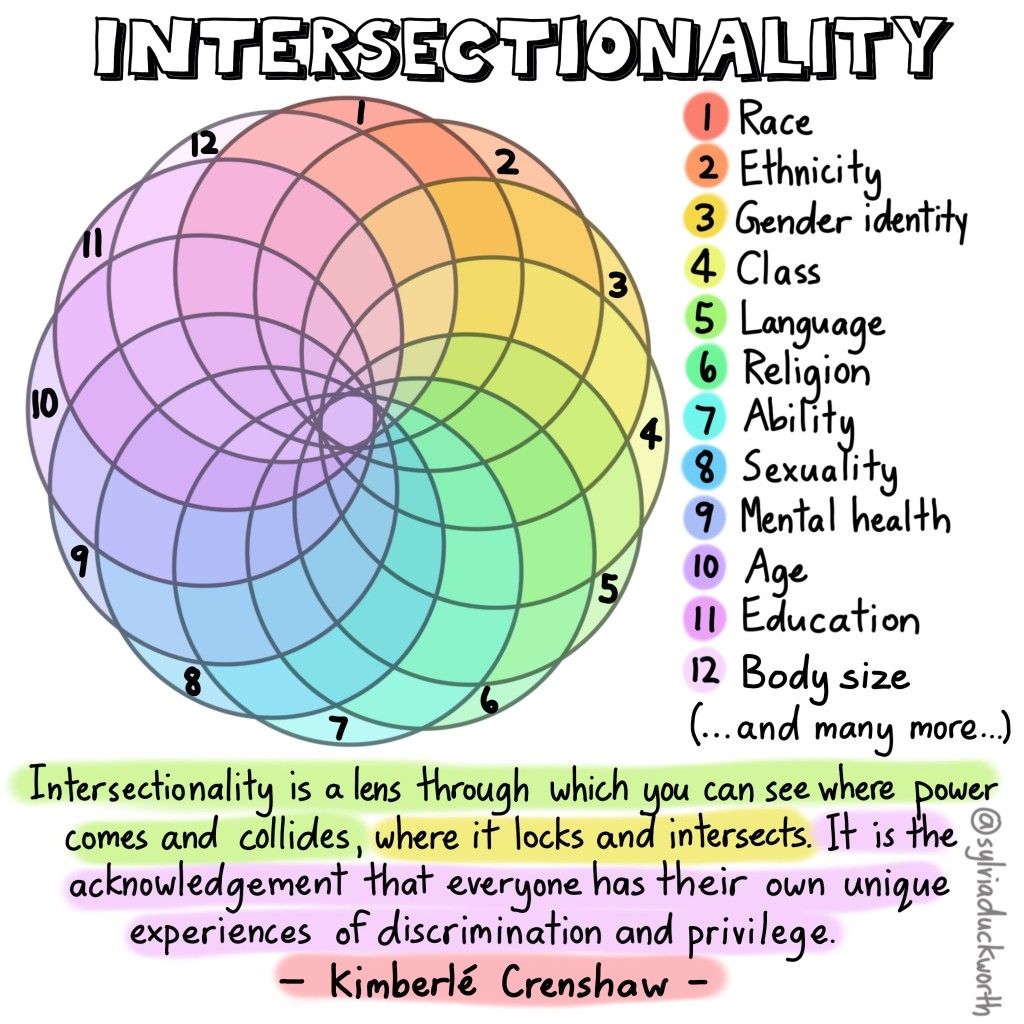
Intersectionality
31 linksDiscrimination arrives in layers, and the layers do not operate independently.
Disability justice
16 linksThe organizers who tied disability rights to racial justice, and refused to separate them.
Decolonizing knowledge
31 linksGlobal North paradigms of deficit, and the Global South paradigms that never accepted them.
Racialized rigor
52 linksHeavier demands and harsher consequences for students of the global majority, delivered as benevolence.
Positionality
35 linksWhere I stand determines what I can see, and what I will miss unless I check.
Discipline gap
5 linksThe same behavior, read differently, and the referral that follows the reading.
Opportunity hoarding
6 linksHow advantaged families and adults quietly reserve the best of a school for their own.
Deficit thinking
12 linksLocating the problem inside the child so the system never has to answer for itself.
Teacher expectations
18 linksWhat adults believe a student can do, and how fast that belief becomes true.
Policy vs. practice
27 linksThe rule as written, the rule as applied, and the discretion in between.
Benevolence and harm
17 linksHelp that arrives with conditions, and the harm that hides inside good intentions.
Evidence and data
51 linksWhat a school counts, what it refuses to count, and what the numbers cannot say alone.
Voice and silence
26 linksWho is socialized to speak, who is socialized to listen, and what it costs to find your voice late.
Micro-assumptions
16 linksThe small, sincere, unspoken guesses well-meaning adults make about a student before the student has said a word.
Critical digital literacy
11 linksReading digital knowledge for power, perspective, access, authorship, and the choices hidden inside every version of reality.
Civil rights history
7 linksTeaching the movement as organized, many-voiced, unfinished work rather than a short chapter with a tidy ending.