Naming the destination: the blueprint of belonging
I have a name for what I want the dissertation to leave behind: a blueprint of belonging — a buildable plan for how a predominantly white private school welcomes, supports, scaffolds, and retains its BIPOC and marginalized students, including neurodivergent students and students pushed outside the bubble of normalcy for gender identity or any other reason.
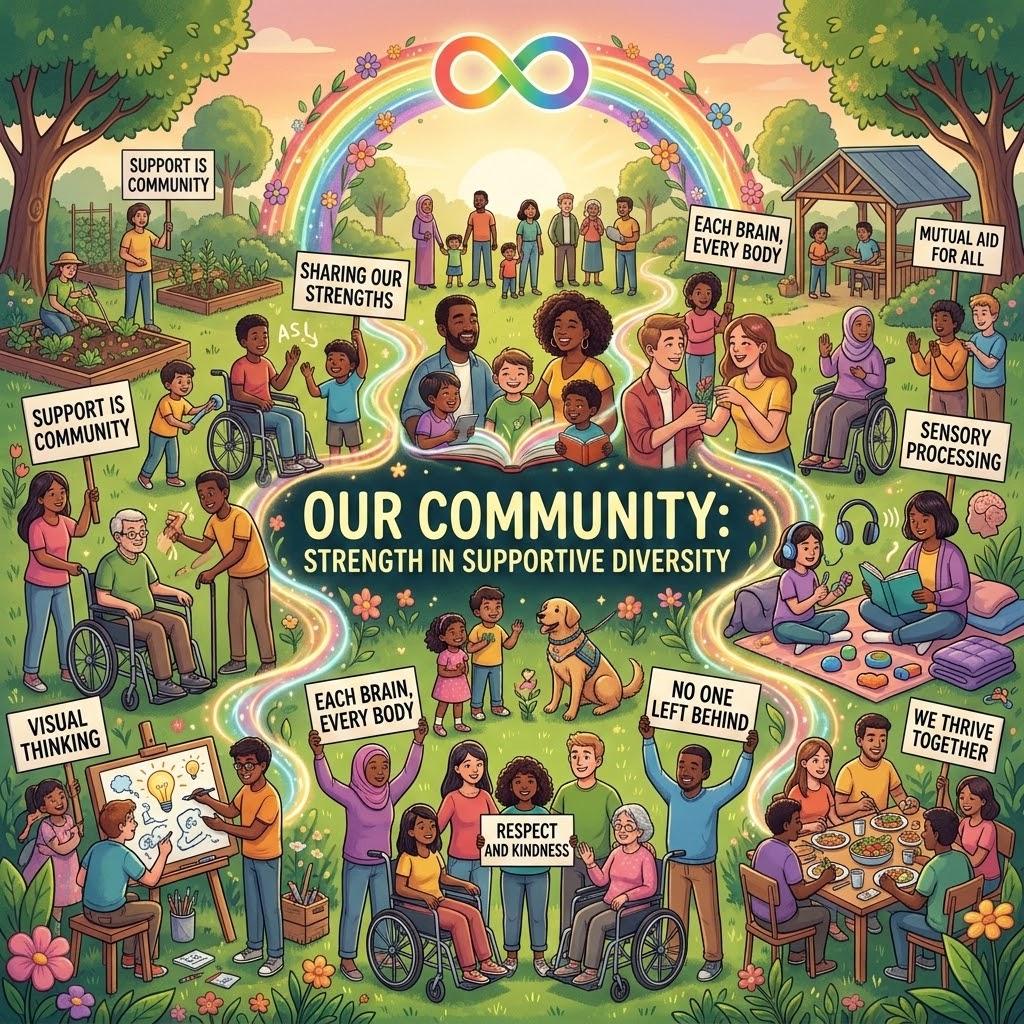
Racialized rigor names the problem. Micro-assumptions names the mechanism underneath it. But a dissertation that only names problems leaves the next teacher with a diagnosis and no tools. I want the study to end somewhere constructive, and I have started calling that destination the blueprint of belonging: a plan a school can actually build from, drawn out of what students say about where they feel like the school is theirs and where they feel like guests.
The word blueprint is doing specific work for me. A blueprint is not a wish and it is not a mission statement. It is a drawing with measurements — something a builder can hold, check against the site, and follow. If the research earns it, the blueprint would say how a predominantly white school welcomes students at the door, how it supports them once they are inside, how it scaffolds the work so that help arrives without stigma, and how it retains the students and families it has historically been willing to let drift away. Welcome, support, scaffold, retain. Four load-bearing walls, not a poster.
The blueprint has to cover more than race, because the students outside the bubble of normalcy are not a single group. BIPOC students, neurodivergent students, students marginalized for gender identity, students whose families, bodies, languages, or ways of thinking do not match the room's default settings — the bubble of normalcy is the thing they have in common, and the blueprint is about who the room was drawn for and how to redraw it. Intersectionality keeps me honest here: these categories meet in actual students, and a plan built for one axis at a time will fail the student living at the crossing.
A note of scholarly honesty: I ran the prior-use search I owed this phrase, and it is not mine to coin. Morgane Michael published A Blueprint for Belonging: Building a Positive School Culture From the Ground Up with Solution Tree in 2024, and variations — blueprints of belonging, blueprints for belonging — appear in a 2026 Drexel dissertation on caregiver belonging, an AERA paper on Black students' college aspirations, a Smith College student-engagement model, and a school district's non-discrimination plan. The metaphor is in the air because the need is real. What none of those works does is what I am proposing: a blueprint derived from a specific school's students — their counterstories and their growth evidence — for a predominantly white private school, at the intersection of race, neurodivergence, and every other way a student gets placed outside the bubble of normalcy. So I will use the phrase with attribution, the way I would want my own terms treated, and let the construct — welcome, support, scaffold, retain, checkable against the actual building — be the contribution. The study asks the questions. The blueprint is what the answers are for.