Positionality, and what I want Critical Disability Theory to do next
Where I stand shapes what I can see. And I would like us to retire the word neurotypical.
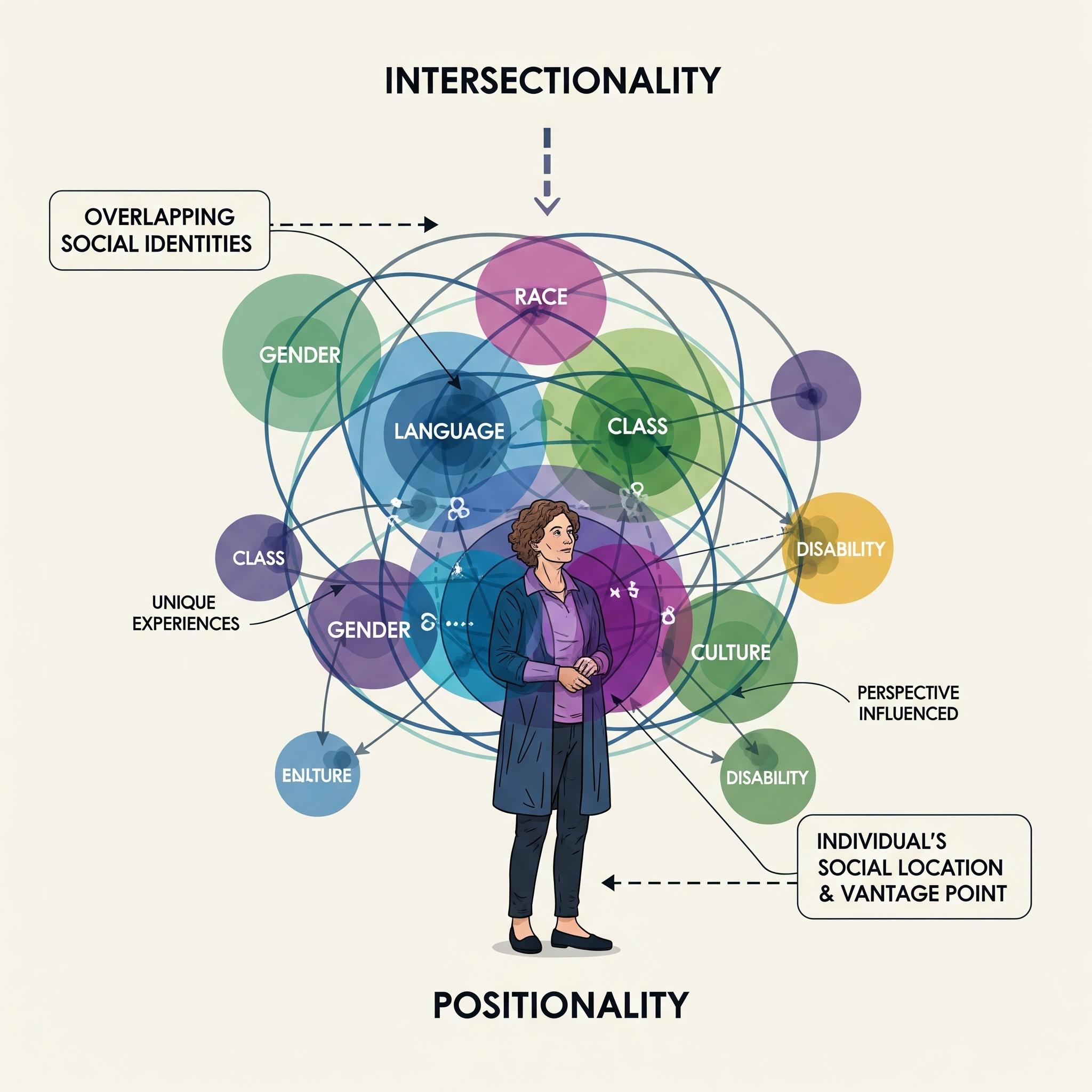
It is essential to understand how our perspective influences how we see the world and those around us. Positionality describes where we are situated within systems of identity and power. For example: I am a white, cisgender, female teacher married to a white man. These are the elements and systems I identify with, and they set the edges of what I will notice without checking.
My goals for this learning process are to dive into Critical Disability Theory and learn as much as I can about how it engages multiple research areas and concepts, and how it might move us into a new chapter of acceptance, support, and compassionate, informed teaching for all neurodiverse and neurotypical learners.
I would like to see us do away with the term neurotypical. I would like a new term coined that just means all of us are on our own neurological journeys — but that might take a while.
Most of all, I would like to see us move beyond the concept of neuronormal as a political tool in how we build systems of support that end up punishing anyone who does not fit the "normal" paradigm.