The title my professor gave me
My working title was too chunky and too broad, and my professor said so. Her suggestion narrows it to the crossroads I actually care about: BIPOC students at the intersection of neurodiversity, in my particular school, and how their sense of belonging influences achievement.
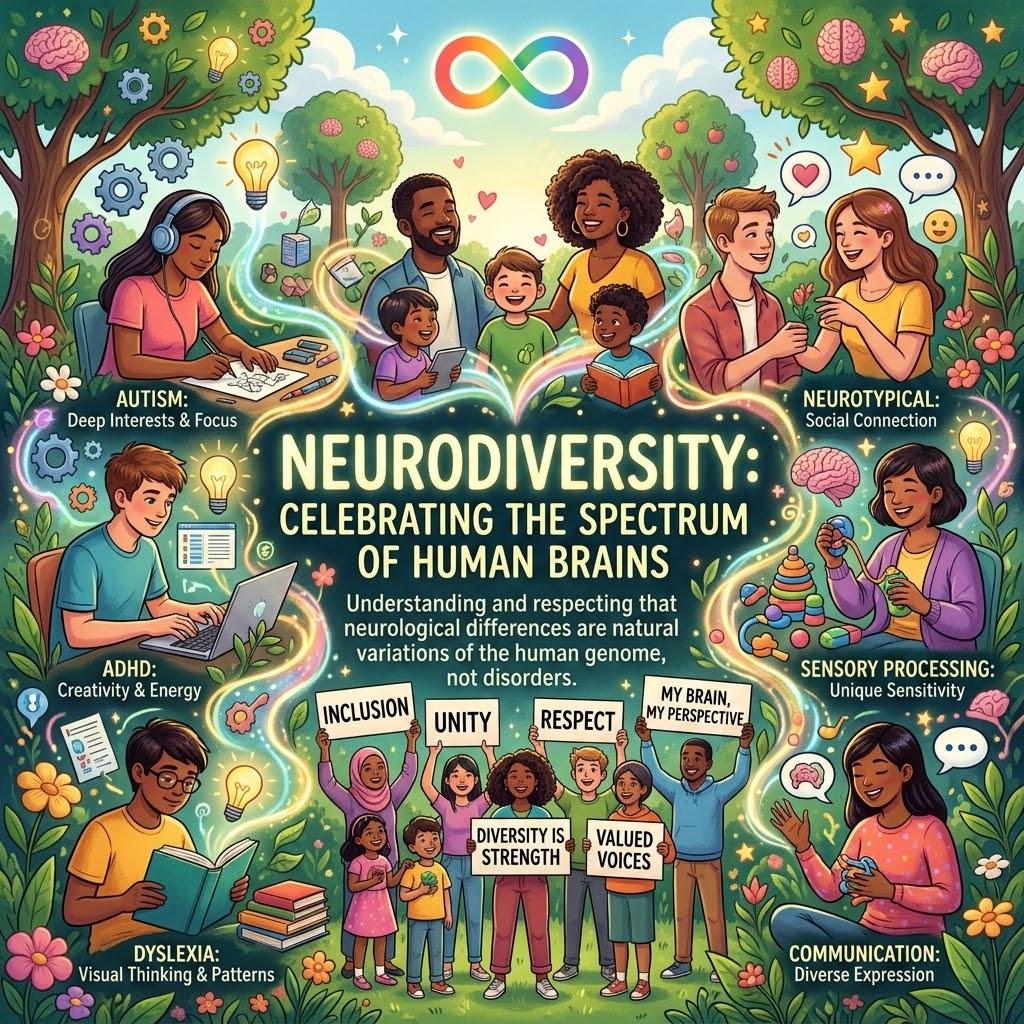
My first dissertation title was too chunky and too broad, and my professor told me so — kindly, but plainly. She was right. Racialized rigor is the problem I want to name, but a title has to say who, where, and what is being measured, and mine did not. Hers does.
The direction she gave me: BIPOC students at the intersection of neurodiversity and the other crossroads that meet at my particular school — and how that intersection relates to their sense of belonging, and how belonging influences achievement. Each piece of that is something I have already been circling on this site. The intersectionality work. The neurodiversity strand, which I came to through my own child's testing. The belonging standard — that a student should feel they belong the moment they arrive, and that the community brings belonging to them rather than the other way around. The demographic change I have watched since 2018. She did not hand me a new topic. She showed me that the topics were already one topic.
The intersection is the part that matters most, and the part the literature is thinnest on. A BIPOC student who is also neurodivergent is read through two sets of assumptions at once — about ability, about behavior, about what a struggling student looks like and what a capable one sounds like. The micro-assumptions I have been trying to name do not arrive one at a time for that student; they compound. And the belonging question compounds with them: it is one thing to feel like a guest in a building, and another to feel like a guest whose way of thinking is also the wrong kind.
What I like about the narrower frame is that it is honest about what I can actually study. I cannot research BIPOC students everywhere. I can study the ones in my building, at the crossroads my building actually contains, with the belonging literature as the lens and achievement as one of the things belonging is allowed to affect. Walton and Cohen already showed that doubt about fit drags achievement down on its own. The question my professor's title lets me ask is what that looks like when the doubt has more than one source.
The title itself is still hers to finalize and mine to earn, so I am not carving it into the site header yet. But the direction is set, and it changes what I read next: less of the broad equity frame, more of the work sitting exactly at that crossroads — neurodiversity research that accounts for race, belonging research that accounts for neurodivergence, and the small shelf of studies that manage both.